Gaziantep
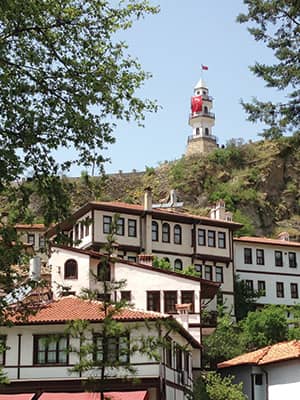
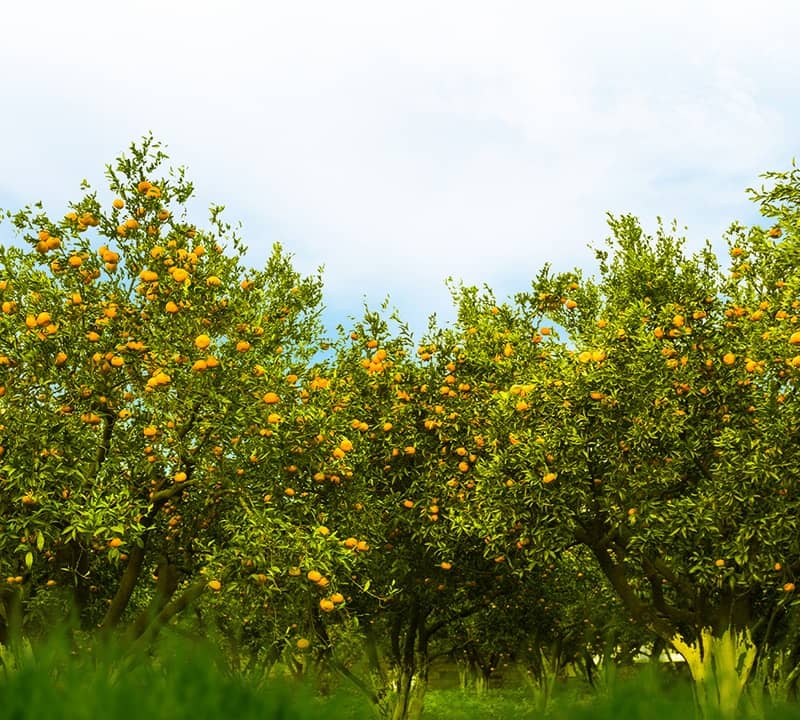
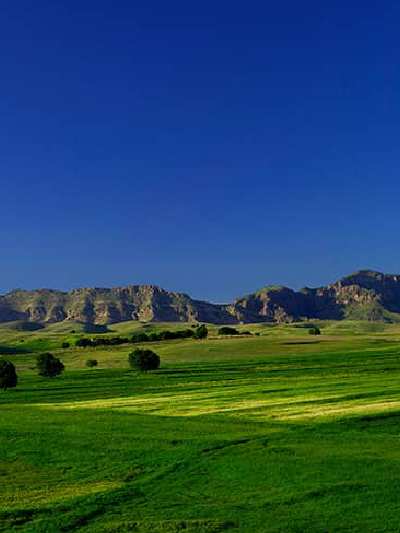
Gaziantep (685 km southeast of Ankara) is located on a wide and fertile plain cultivated with extensive olive groves and vineyards and produces a wide variety of agricultural crops. It is especially known throughout Turkey for its excellent pistachios. Industry also contributes to the local economy.
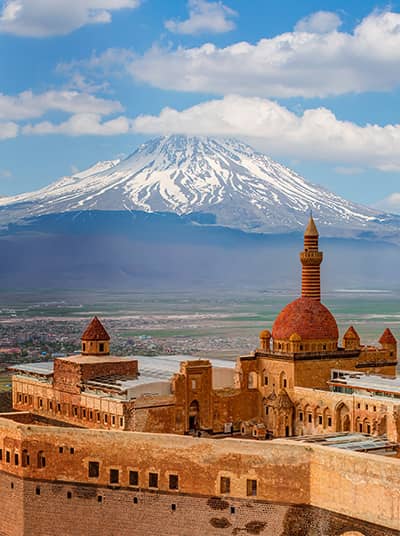
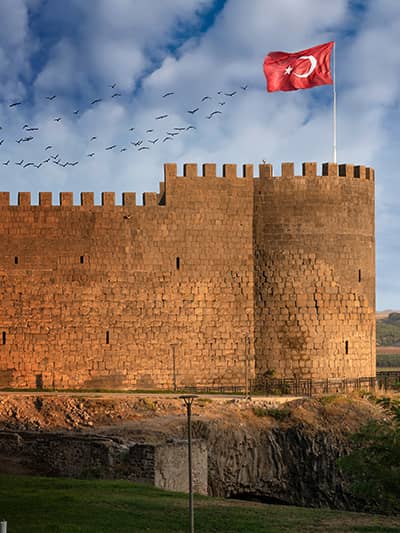
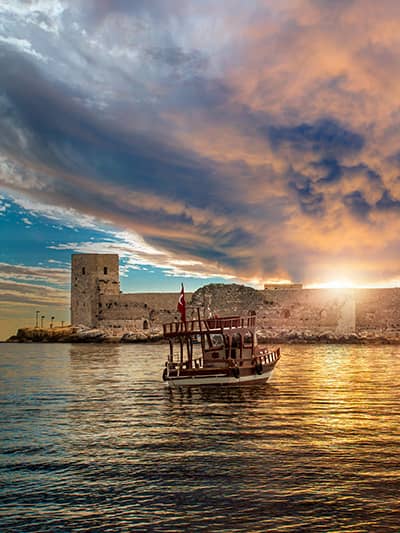
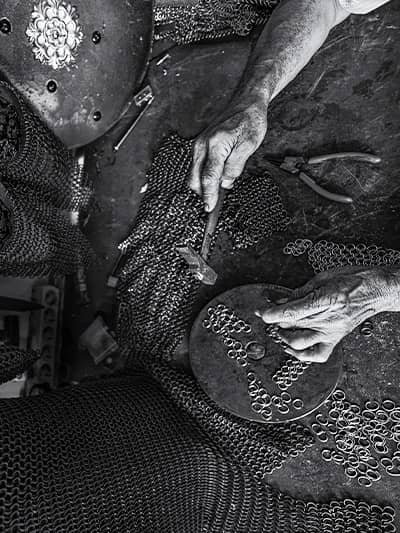
The 36 towers of the city's fortress were originally constructed in the Justinian era and were later rebuilt by the Seljuks. The Archaeology Museum has important artifacts from Neolithic, Hittite and Roman times. The Hasan Suzer House, from the turn of the century, has been beautifully restored as the Ethnographical Museum. The artisans of Gazi Antep specialize in copperware and furniture inlaid with mother-of-pearl. The kitchens there produce some of the best lahmacun, a delicious pizza topped with spicy meat and herbs, and also baklava, a honey and nut pastry.
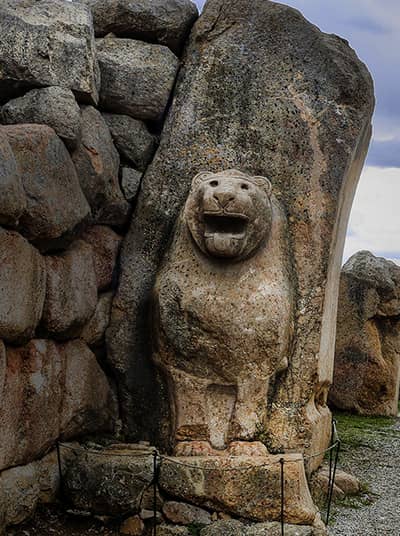
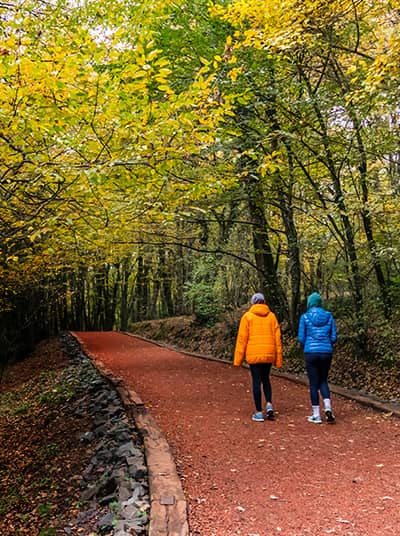
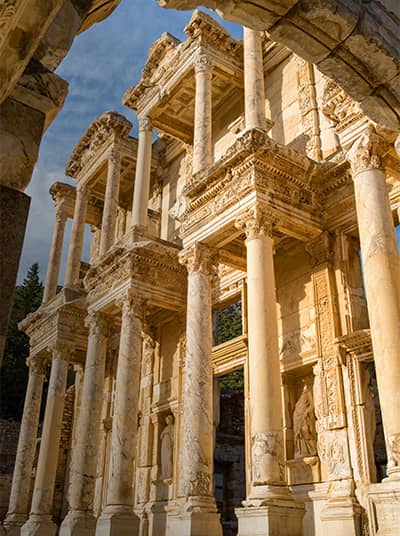
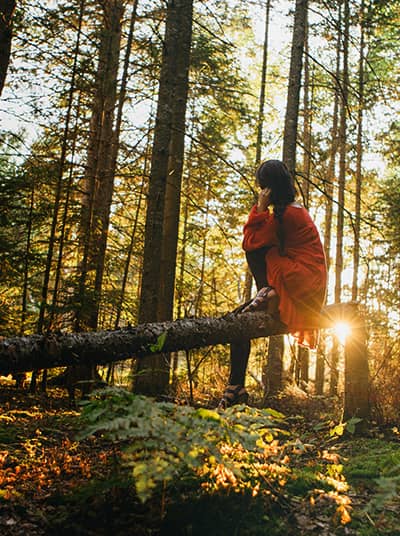
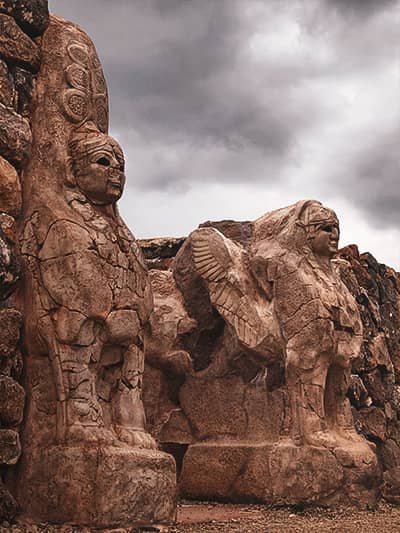
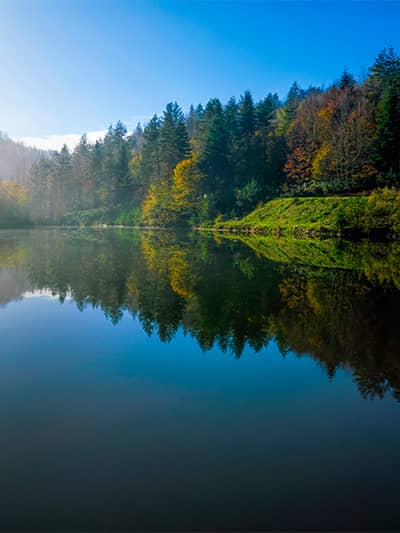
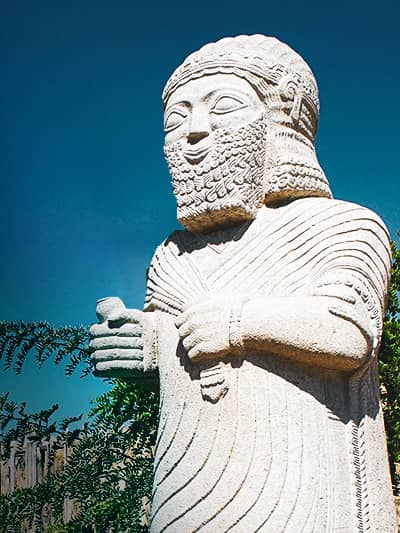
West of Gazi Antep, the Dülük Forest makes a good day's outing, or you can stay overnight in the campsite. In the woods, stroll through the archaeological site which dates back to prehistoric times. A Hittite school of sculpture was centered in Yesemek, where the 200 works of art still reveal the beauty of the Hittite period. Next to the Syrian border, on the banks of the Firat River, Kargamis, once a late Hittite capital, is another important archaeological site. The site's finds, including immense bas-reliefs, have been moved to the Museum of Anatolian Civilizations in Ankara.
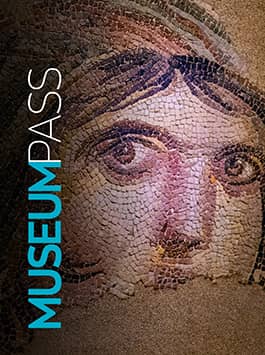
The ruins of Belkis (Zeugma) are on the edge of Nizip. There is a mound which was turned into a citadel, and mosaics from the Roman period which are well worth seeing.
Kilis, near the Turkish-Syrian border en route to Gazi Antep, was originally known in the Assyrian archives as Kilizi. Kilis is important for its cotton and silk weaving and also for its leather products. This most charming area is dotted with vineyards and olive groves on all sides. Also interesting are the Canbolat Bey Complex, the old baths and a center that once housed a dervish order. Several other sites worth seeing nearby include Ravanda Castle, situated between Kilis and Gazi Antep. Five km to the northeast is the town of Kuzeyne (Korus) that is like an open-air museum with its castle and mosaics. What makes it special is that here one can view ruins from Hittite, Roman, Byzantine, and Islamic times all in one place. An ancient Roman center is found 20 km east of Kilis in the town of Korus (Kiriz). Ruins of a castle, a temple and a theater
await your visit.
Where to go ?
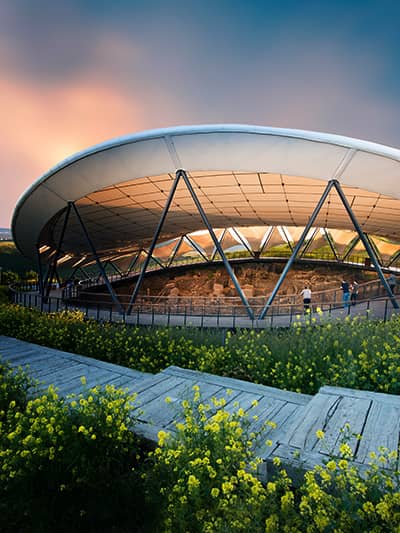
Gaziantep Archeology Museum:The museum hosts ceramic pieces from Neolithic Age, various objects, figures, seals from Calcolithic and Bronze Age, stone and bronze objects, jewelry, ceramics, coins, glass objects from Urartu, Hittite, Persian, Roman and Byzantium periods, the bones and remains of a Mammoth, mosaics with high art values, statues and
Read MoreThings to do ?
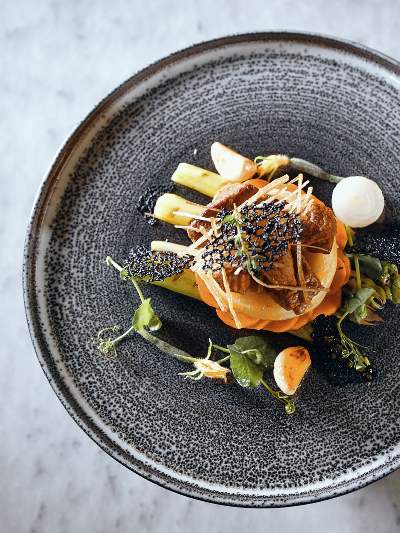
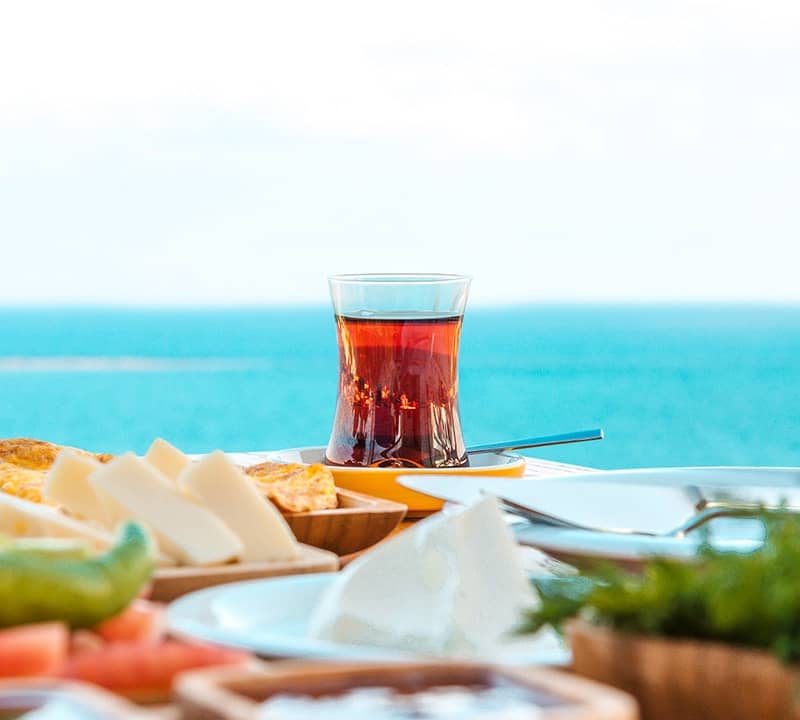
Eat Antep Kebaps, Baklava and other Desserts in Antep:The food varieties of Gaziantep had always been at a privileged status among the worldwide and countrywide food varieties with the richness of traditions and local appetite throughout years. İçli köfte, çiğ köfte, sour small meatballs, meatball with malhıta (lentil), small meatball
Read MoreLocal
If you want to get your own vehicle distance Gaziantep bidğer centers are as follows. From Gaziantep, Adana, about 223 kilometers (km) from the hotel and takes about 15 minutes for about 2 hours by car. To Gaziantep Hatay approximately 188 kilometers (km) from the hotel and takes about 40
Read More