Mardin
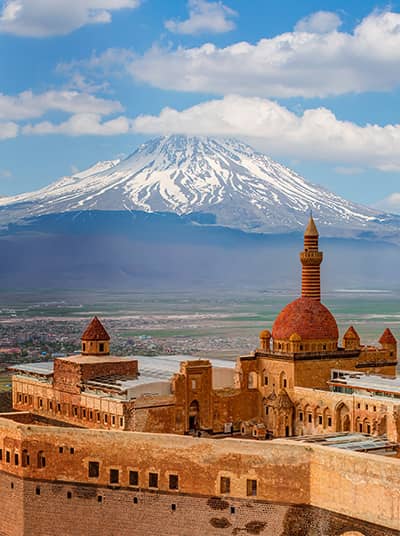
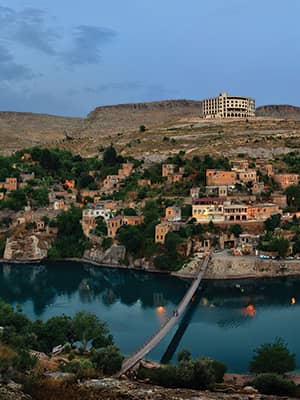
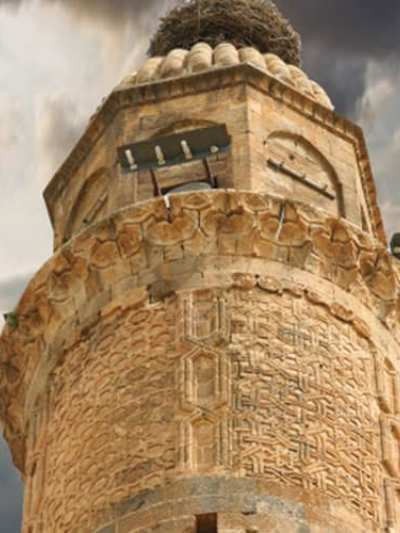
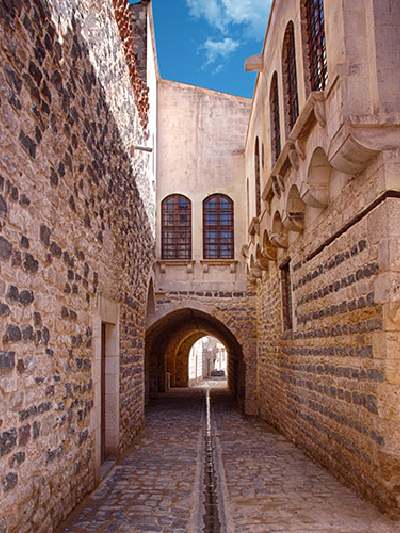
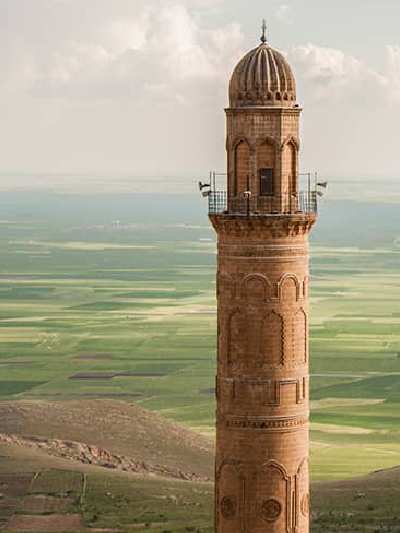
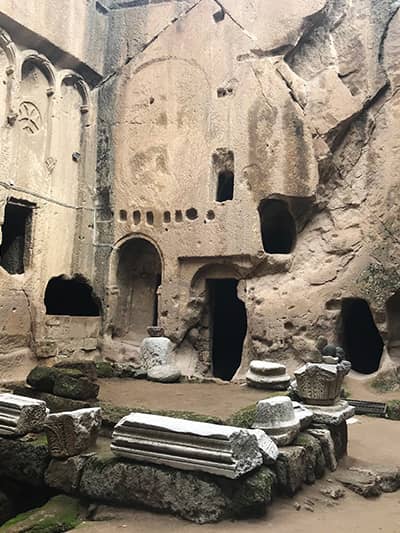
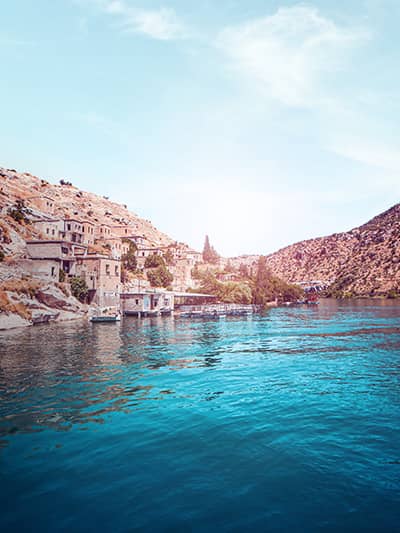
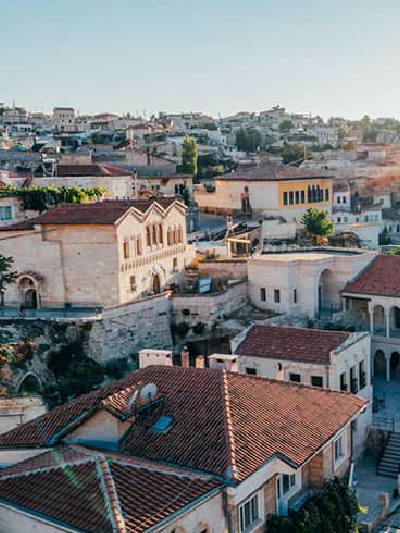
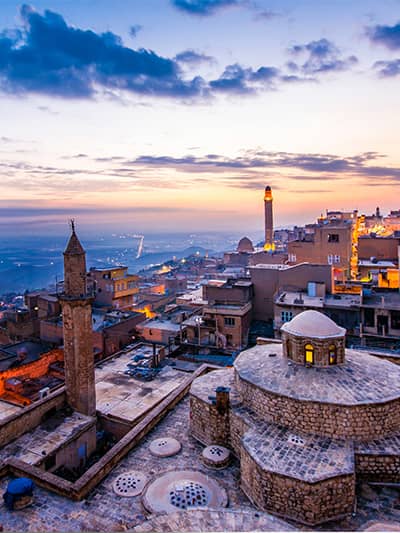
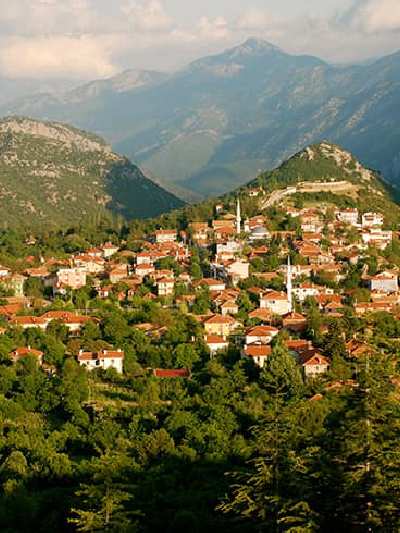
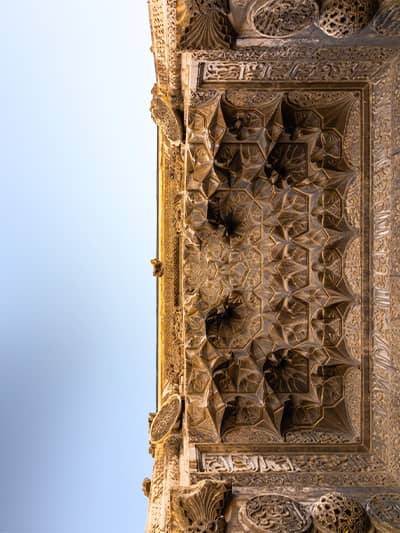
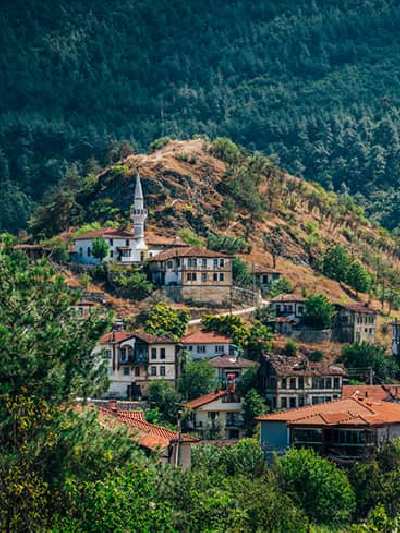
Mardin was once a very important center for Christianity. Architectural structures belonging to different epochs have reached out time in a unique architectural integrity. One can find unique Mardin houses; churches of Kırklar, Mar Mihail, Behrimiz, Virgin Mary, Mar Yusuf and Mar Bitris; medresses of Kasımiye, Zinciriye and Marufiye; monasteries of Deyr'ul Zafaran and Deyr'ul Umur; mosques of Ulu, Çubuk and Molla Hari and the castle as important buildings in this integrity.
The population of the province is 705,098 (Census of 2000). Dargeçit, Derik, Kiziltepe, Mazidagi, Midyat, Nusaybin, Ömerli, Savur and Yesilli are Mardin's districts in the periphery.
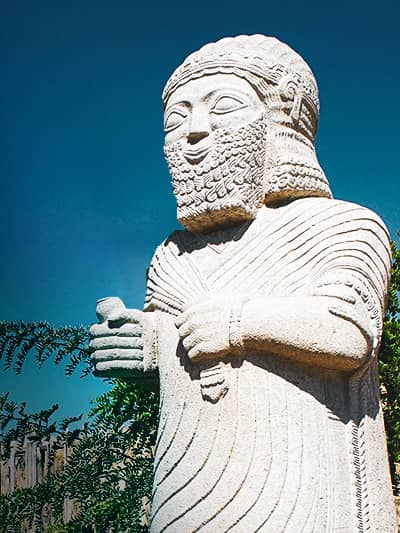
The culture of Mardin bears the imprint of various antique civilizations flourishing in the area. Mardin has an enormous historical, cultural and architectural richness. It is apparent that this richness has the potential of contributing much to the development of the province and national tourism if mobilized and managed properly.
Mardin enjoys a privileged status in the sense that it is able to make people live the past and to present what is old and valuable to present generations. Mardin's cultural diversity is further enriched by the deep-rooted culture of various communities including the oldest Christian community, the Suryani. Who can refuse to see a city of tolerance where ezan from mosques lives in brotherhood with church bells?
In recent years Mardin has become a center of attraction for many people from different parts of the world. It is a candidate for UNESCO's List of 'Cities of World Heritage.' Submitting, protecting and transferring cultural richness for the next generations require a big importance. In our city and its provinces we have 665 buildings registered by protection of culture and nature values committee directorate.
History
Mardin is one of the oldest settled areas in upper Mesopotamia. Excavations done in the 1920s discovered remains in the area that dated to 4000 BCE. The first known civilization were the Subarianswho were then succeeded in 3000BCE by the Hurrians. The Elamites gained control around 2230 BCE. and were followed by the Babylonians, Hittites, Assyrians, Romans and Byzantines. In 692,
Read MoreClimate
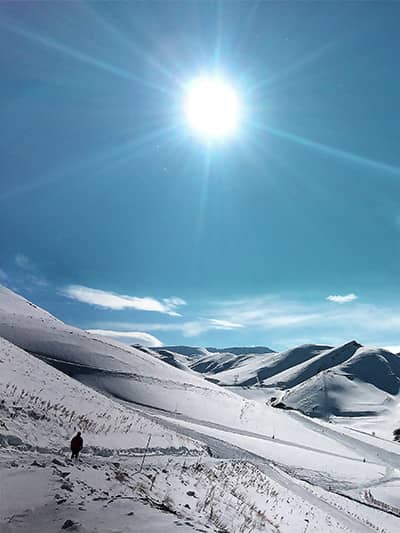
Mardin has a very hot and dry summers and cold, wet, and occasionally snowy winters. Temperatures in summer usually increase to 40°C - 50°C (104°F - 122°F) due to Mardin being situated right next to the border of Syria. Snowfall is quite common between the months of December and March, snowing
Read MorePlaces of interest
Abcient Cities Midyat cityis a museum city like Mardin, is approximately 1.5 hours away from Mardin. Midyat, where, rock mansions, gates with arches, Süryani churches with minaret like ascending gong towers, is reminding a Medieval city. City center is moved to 2 km. away Estel with slowly leaving the region
Read MoreAir
To Mardin the nearest airport is inDiyarbakırwith flights primarily toAnkaraandİstanbul. Then there are buses available from the otogars inDiyabakır will takes a 2 hour journey. Mardin does not have an otogar but buses depart from Belediye bus terminal, located in the new area of the city below the citadel.
Read MoreBus
There is are buses available from the otogars inGaziantep(4 hour journey),Şanlıurfa(a 3 hour journey) and Diyabakır (a 2 hour journey). Mardin does not have an otogar but buses depart from Belediye bus terminal, located in the new area of the city below the citadel. There areminibuses(dolmuş) from Urfa, about two
Read More