Food
Turkish Cuisine
Food
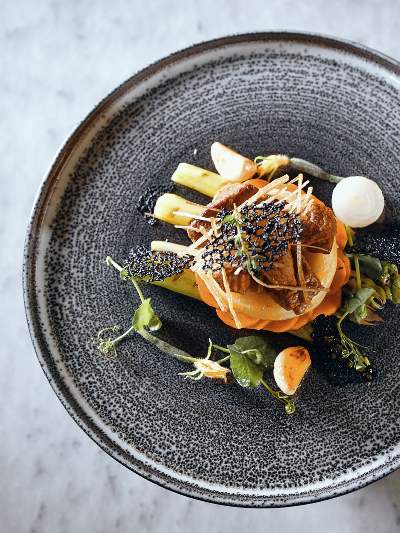
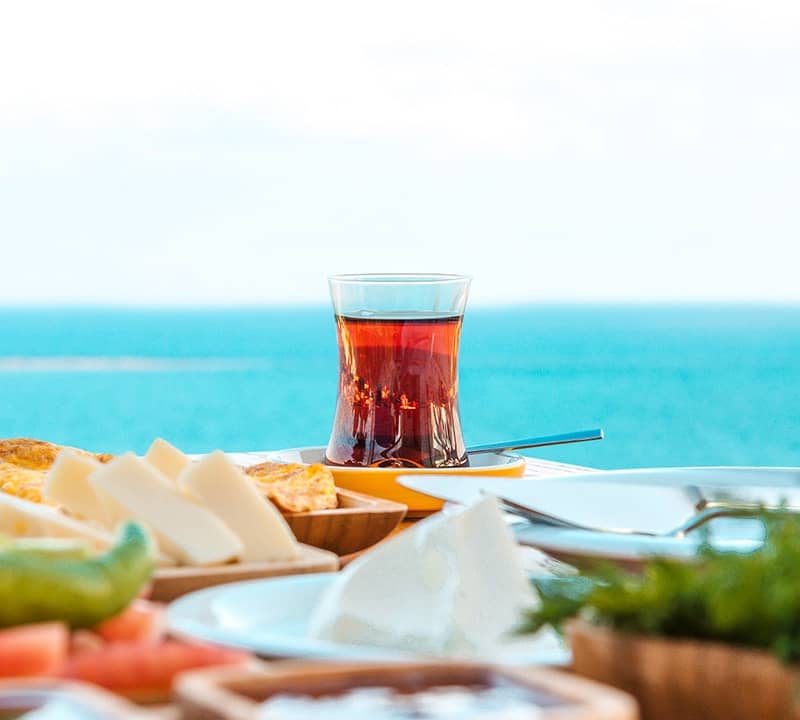
Turkish cuisine is renowned as one of the world's best. It is considered to be one of the three main cuisines of the world because of the variety of its recipes, its use of natural ingredients, its flavours and tastes which appeal to all palates and its influence throughout Europe,
Asia, the Middle East and Africa. The cuisine originated in Central Asia, the first home of the Turks, and then evolved with the contributions of the inland and Mediterranean cultures with which Turks interacted after their arrival in Anatolia. Turkish cuisine is in a sense a bridge between far Eastern and the Mediterranean cuisines, with the accent always on enhancing the natural taste and flavour of the ingredients. There is no one dominant element in Turkish cuisine, like sauces in French and pasta in Italian cuisines. While the Palace cuisine was developing in Istanbul, local cuisines in Anatolia were multiplying in several regions, all displaying different geographical and climactic characteristics. These cuisines, after remaining within regional borders for centuries, are now being transplanted to the big cities and their suburbs as a consequence of large scale urbanisation and migration towards new urban centres. As a result, the national Turkish cuisine has been enriched by the contribution of a great number of local recipes. Turkey is self-sufficient in food production and produces enough for export as well. This means that Turkish food is usually made from fresh, local ingredients and is all the tastier for it. Read More
Turkish Cuisine in the 11th Century
The great 11th century Turkish writers Yusuf Has Hacib and Kaşgarlı Mahud gave us very detailed information on Turkish cuisine, as they did on almost every subject. Yusuf Has Hacib gave most of his attention to the preparation of feasts, and about the service of feasts; he also addressed Turkish
Read MoreThe Development of Turkish Cuisine and Historical Turkish Traditions
At the mention of Turkish cuisine, Turkish history should come to mind, because a people does not readily lose their taste in food; they do not give up foods to which they have become accustomed over thousands of years. In addition, women in the kitchen are conservative; they learn their
Read MoreThe Homeland of the Old Turks and Names of Their Foods
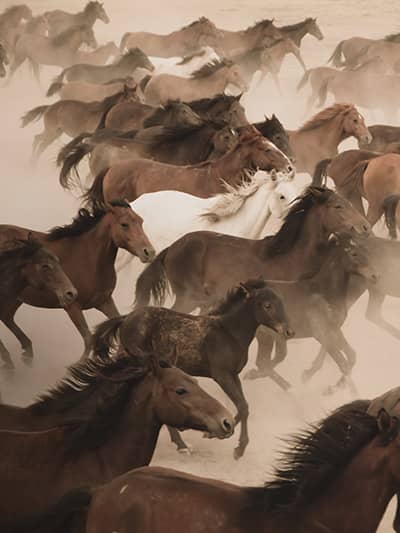
After the Turks came and settled in Central Asia during the Neolithic Era, they chose the steppe between the Ural and Altay Mountains as their homeland. The horse nomad culture was born and developed here. With herds of horses and sheep, the Turks migrated to the broad high meadows in
Read MoreFoods and Breads of the Selçuk (Seljuk) Period
The Selçuks of Turkey conquered Anatolia while struggling with infinite hardships and privations. Accepting sacrifices of all kinds, they created thousands of great works, and set a national and Islamic direction here, making Anatolia their homeland. We have very little information about these forefathers, who gave us a nation. Aside
Read MoreOttoman Cuisine
In the late 13th century the Ottoman State, founded in northwestern Anatolia in the are of the Sakarya River and the valleys of its tributaries, developed rapidly and grew into a great empire. Taking the place of its predecessor the Byzantine Empire and wiping it from the map, the Ottomans
Read MoreEating Habits
Nutrition is a central fact of existence for all living things, it is something we must achieve in order to remain alive. We may approach the subject of nutrition in Turkey, and Turkish cuisine, from a variety of standpoints. Here, I will examine it chiefly from the standpoint of social
Read MoreFood in the Harem
The allowances given by the sultans to their wives came in small silk bags which contained small leather purses. The allowances of the head servants (kalfas) was sent in purses of a white fabric known as “hasse,” and these were inside their own jeweled boxes. Young girls entrusted their money
Read MoreRegional / Rural Cooking of Turkey
Societies are composed of various social stratifications. The most significant of these are “urban” and “rural,” a duality which has appeared in many parts of Europe and Asia since the Middle Ages. The conditions unique to cities have brought about the whole of social behaviors which we know as “urban
Read MoreMeat Dishes
Fırında Kağıt Kebabı (Oven-baked kebab in paper) Ingredients: ½ kg small-cubed lamb(preferably leg or shoulder meat)200 gr peas1 tomato, finely chopped2 “sivri” peppers, finely chopped1 onion, cut into rings8 pieces of parchment or 4 small oven bagsChopped parsley and/or dill2 T olive oilSalt, black pepper, thyme Mix all the ingredients
Read MoreFish and Seafood
Fish of Turkey Bordered on three sides by seas, crossed by great rivers and creeks and lakes, Turkey is practically a great nation of water. The fish living in these bodies of salt and fresh water hold an important place in this culture’s cuisine. The fish in countries like Turkey,
Read MoreVegetable Dishes
Wild Herbs of Turkey Anywhere you look in a country with such natural diversity as Turkey, you can become acquainted with plant you’ve never seen before. Let’s say you’ve gone to the market, and are looking at a salesmen with his bunches of wild greens. The gözleme (Turkish pancake) you
Read MoreThe Pilaf
Pilaf, orpilavin Turkish, is one of those foods in Turkish cuisine possessed of a ritual quality. It has an important place in ceremonial meals as well as everyday cooking. Though pilaf is made from a variety of grains, the first to come to mind in Turkey is rice pilaf, which
Read MoreSoups
Mercimek Çorbası (Red Lentil Soup) Ingredients: 2 c red lentils1 potato1 onion1 T flourSalt, dry mint, red pepper4-5 T oil Go through lentils to remove stones etc. and wash. Grate potato, and dice onion finely. Saute onion in a pot in 2T oil until transparent, then add the flour. Once
Read MoreDrinks
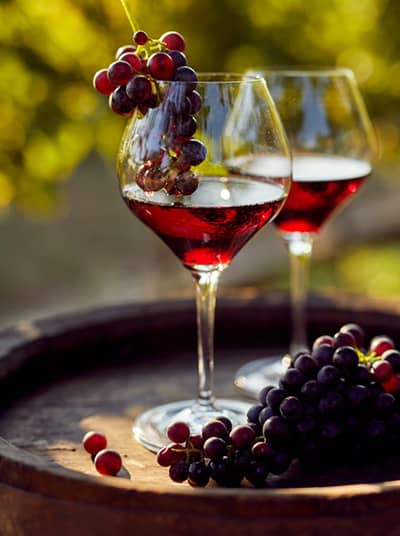
The Turkish wordiçkicomes from the verbiçmekto drink, and means “drink” in the sense of alcoholic drinks. In addition the word, and its older Ottoman counterpart,işret, carry the connotations of friendship, conversation, etiquette; in other words, coming together as friends. It is for such reasons that alcohol has become such a
Read MoreBreads
Bread is a foodstuff generally made by combining a grain flour with water and salt, either leavened or unleavened, then shaped and cooked. Though wheat flour is most commonly used, bread is made from such grains as corn and rye as well. Bread is generally eaten along with other foods.
Read MoreSweets
Milk Desserts Sütlaç (Rice Pudding) Ingredients 1 lt milk300 gr sugar70 gr rice15 gr rice flour15 gr wheat starch1 ½ c water (for the rice)¾ c water (for rice flour and starch)½ t salt Place rice in a small saucepan with 1 ½ c water and bring to a boil,
Read MoreCompotes (Hoşafs)
Dry Apricot Compote Ingredients: 350 gr dry apricots with seeds in (pitted: 250 gr)1 ½ l water (6 c)250 gr sugar (one heaping cup) Wash apricots and allow to soak in 6 c water for 10-12 hours until they have swollen. Add the sugar and bring to a boil, cook
Read MoreDough-Based Foods in Turkish Culinary Culture
Meat andhamurişi(literally, “dough work” a Turkish term which refers to all dough-based foods besides bread, including pasta) are two important categories in Turkish culinary culture. The meeting of the two has given rise to a synthesis in which agriculture and animal husbandry have played a role. Since their migration from
Read MoreSalads, Mezes and Side Dishes
Side/accompanying dishes form such a rich category within Turkish cuisine that they could be addressed as a subject in themselves. The salads, pickles,meze(appetizers), cacık, and some greens do not only add variety to the main dishes, but are also complimentary to them. For example the vegetables, spices and greens eaten
Read MoreVegetables
Most vegetable plants prefer moist, mild climates. From this standpoint, Turkey has much land suitable for cultivating vegetables, and as a result, different parts of the country are devoted to the raising of different types of vegetables. Althout green leafy vegetables have mostly been raised in the western regions, recently
Read MoreMeats
Lamb Lamb is considered to be the meat of sheep under one year old. It is lightly fatty. Milk-fed or suckling lambs range from 4 - 9 kilos and are generally available from January to late March. Those from 10-15 kilos and available from May to December are grazing and
Read MoreFish
Bordered on three sides by seas, crossed by great rivers and creeks and lakes, Turkey is practically a great nation of water. The fish living in these bodies of salt and fresh water hold an important place in this culture’s cuisine. The fish in countries like Turkey, which has inland
Read MoreDried Food & Grains
Dried Food Blackeyed Peas (Börülce) A member of the bean famıly (Fabaceae), in Turkey they are used in various ways: fresh like green beans and fresh shelled like green peas, but mostly in their dried form. See: Fabaceae. Beans (Fasulye) A member of the family Fabaceae and originally from Central
Read MoreFruits
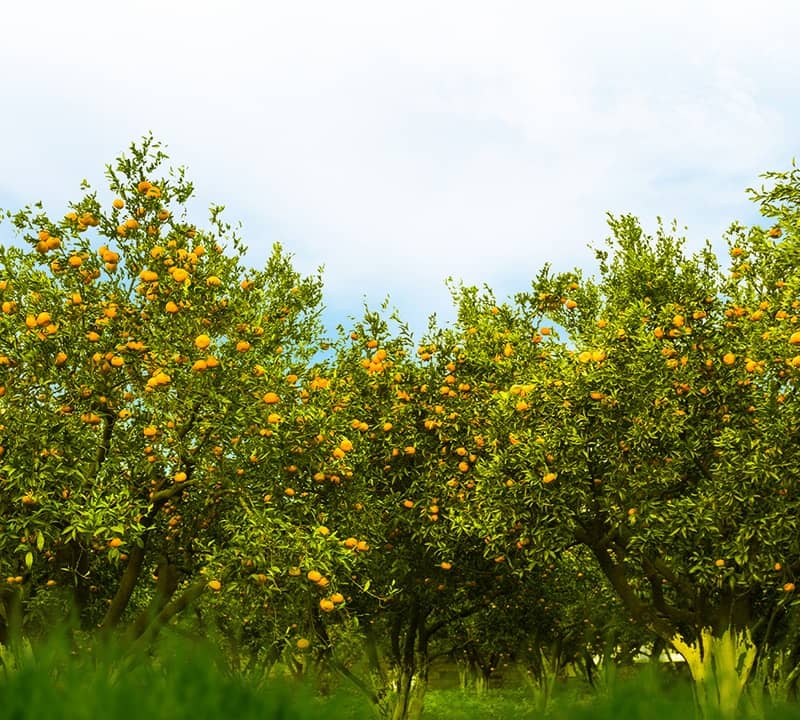
Due to its rich natural vegetation, Turkey is one of the richest countries in the world in terms of fruit production. Its regional differences in climate and soil type provided a ready environment for the cultivation of fruit as well as vegetables. One may find hundreds of varieties of a
Read MoreHerbs and Spices
Herbs and spices have been used by mankind since ancient times for a variety of purposes. Sometimes a wild flower, the bark of a great tree or the fruit of a bush, spices show infinite variety in their form, characteristics and function. It is generally believe that spices were first
Read More