History & Civilizations
Country where the civilizations rise
History & Civilizations
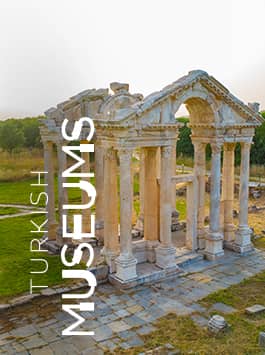
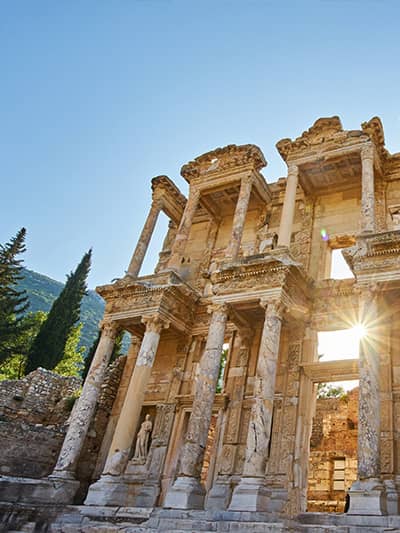
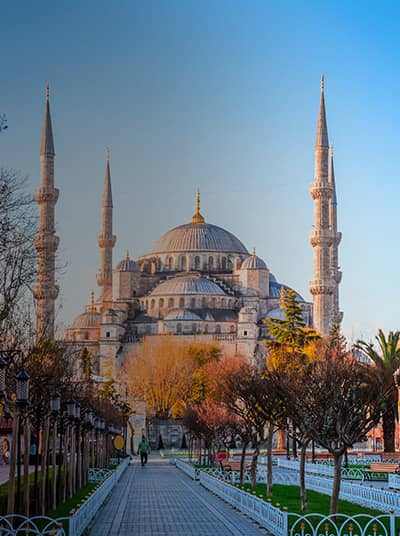
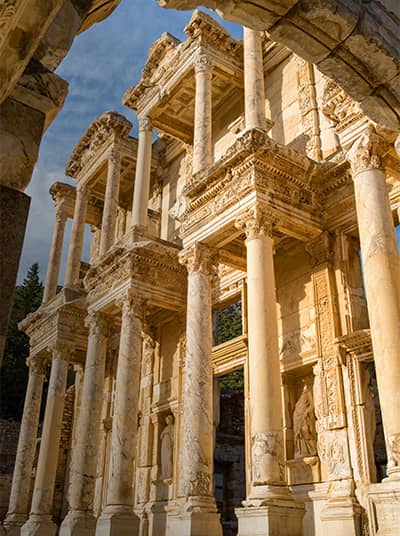
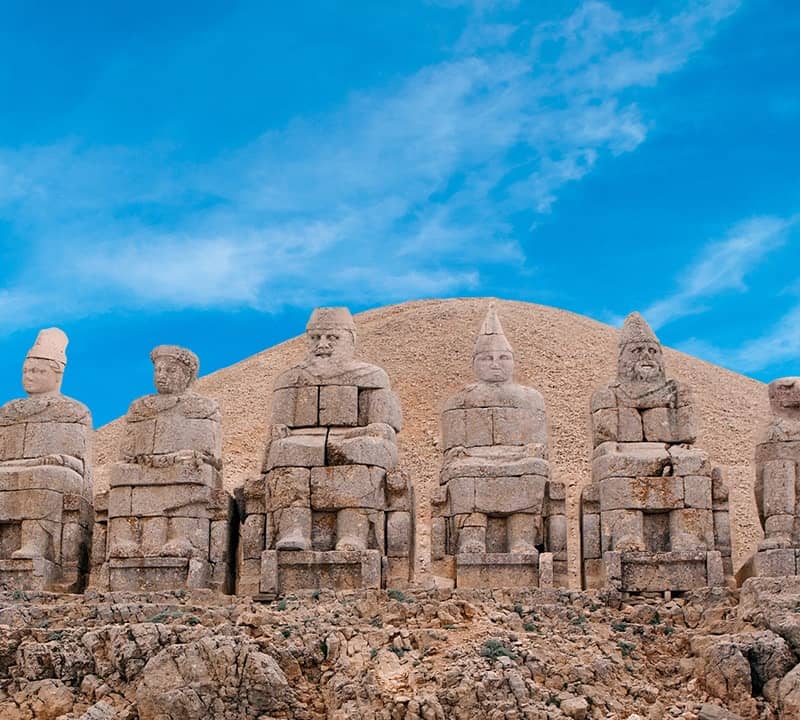
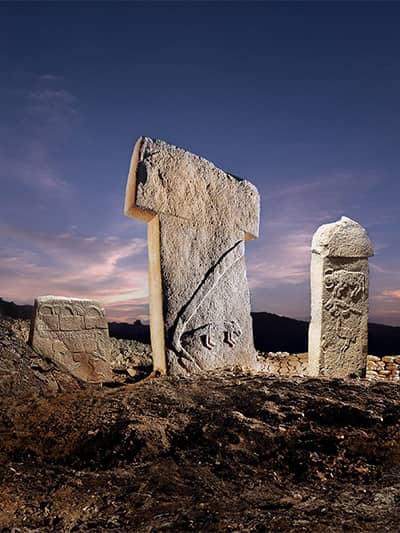
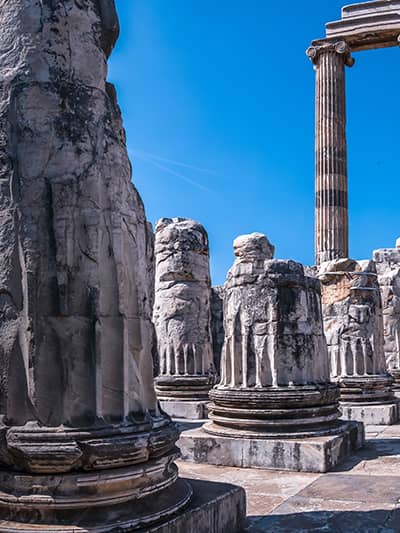
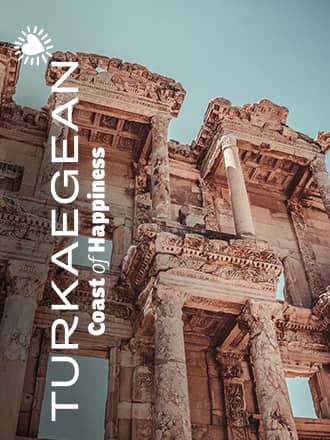
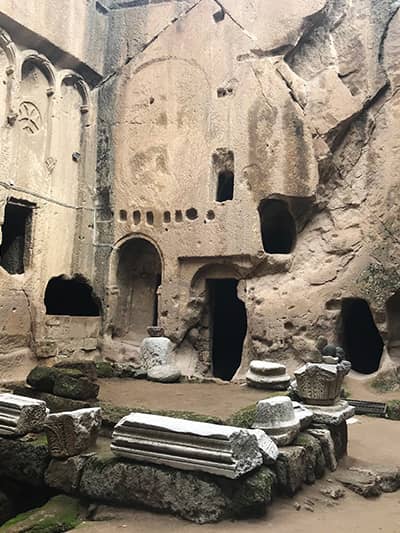
Turkey is considered to be one of the richest countries in terms of archaeology and is by far the biggest "open air museum" of the world. It has always been a bridge between the East and West and has been noted by scholars as the "melting pot" of various cultures where
classical culture was shaped. From the first known urban city settlement of "Çatalhöyük" to the historically famous Troy and from the Ionians (the Anatolian Greeks) to the greatest empires of the world, the Roman, Byzantine, and Ottoman, many cultures were established and indeed flourished in and around this huge "melting pot". Today, a traveler to Turkey can observe the features of all of these cultures. Not only are they visible in their marvelous remains, but in their impacts on the daily lives of Turks today, which differs greatly from one area to another.
Read More
Early Ages
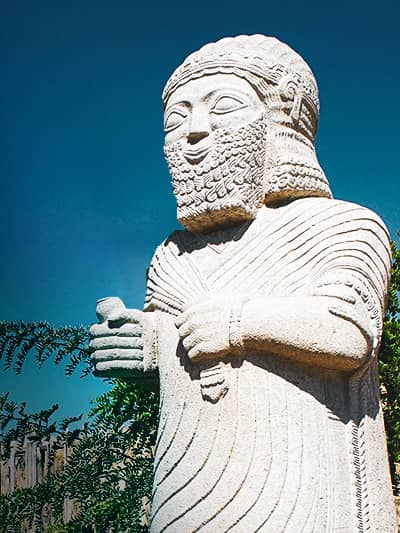
The history of Turkey tells of a 10,000 year-old civilisation. Anatolia is a melting pot where cultures from Sumer, Babylon and Assyria interacted for centuries with peoples such as the Hattis, Hittites and Hourrites. The result was a unique Anatolian civilisation which has long inspired the thoughts and legends ofthe...
Read MoreThe Legendary Troy
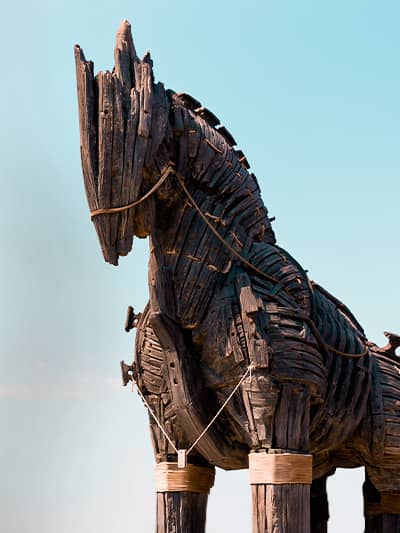
Troy was founded around 3000 BC, and played a major role in the importation of tin, vital for the production of bronze.
Read MoreThe Hittites Arrive
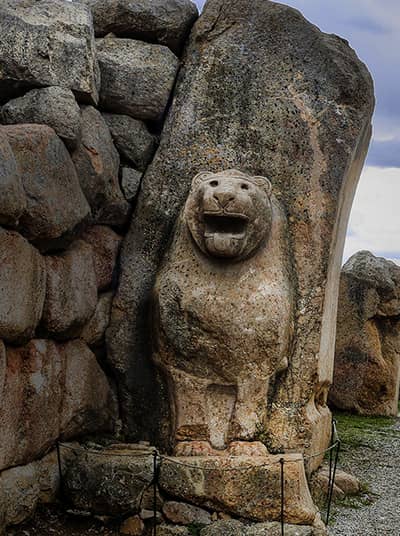
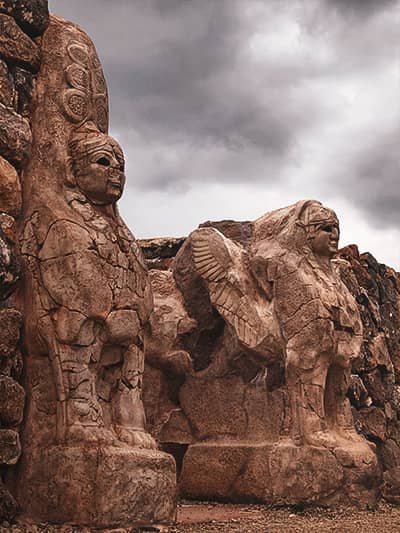
The Hittites arrived in Anatolia towards the second millennium BC. They absorbed much of the Babylonian civilisation and long enjoyed amonopoly of iron in Asia. This, combined with the use of the chariot, gave the Hittites a military superiority over Egypt and other Mesopotamian states. The victorious raid against Babylon...
Read MoreMitanni Kingdom
The Mitanni kingdom was a contemporary and the enemy of the Hittites. It was founded by the Hourrites, a people originally from the South Caspian Sea. The Hourrites exercised considerable influence over the religion of the Hittites, and spread the use of two-wheel chariots and the breeding of horses throughout...
Read MoreThe Urartian State
At the beginning of the first millennium BC, the Urartus created a unified state whose territory extended from the Caucasus to Lake Urmiya, with its capital in the present city of Van. The Urartus were masters in hydraulic works and skilled in irrigation, drainage and the construction of canals and...
Read MoreThe Phrygians and King Midas
The Phrygians (750-300 BC) settled in Central and Western Anatolia, in the Afyon-Ankara-Eskisehir triangle, declaring Gordion on the Sakarya river to be their capital. Their civilisation met its apogee in the second half of the 8th century BC, under the famous King Midas whom, according to the mythology, Apollo ridiculed...
Read MoreThe Lydians Invent Money- Sardes
Around East of Izmir in Sardes, lived another people, the Lydians, thought to have invented money between 800 and 650 BC. In the 6th century BC, Croesus, the King of Lydia, agreed with the advancing Persians to divide Anatolia along the river Kızılırmak. The Persians, however, did not keep this...
Read MoreAnatolia Changes Hands Again - Pergamon
After the death of Alexander the Great, Anatolia became the hub of the Seleucid Empire. Pergamon (Bergama) grew at the expense of its neighbours, and snatched part of Phrygia in 241 BC. The kingdom became prodigiously rich, the emporium of Anatolia and a brilliant intellectual centre.
Read MoreThe Era of Eastern Roman Empire
The Roman Period Begins The Roman period of Anatolia began with the death of King Attalus III of Pergamon (Bergama) who willed his country to the Romans because he had no direct heir. Anatolia then lived through a period of peace and prosperity, particularly in the 1st and 2nd centuries...
Read MoreWorld War One
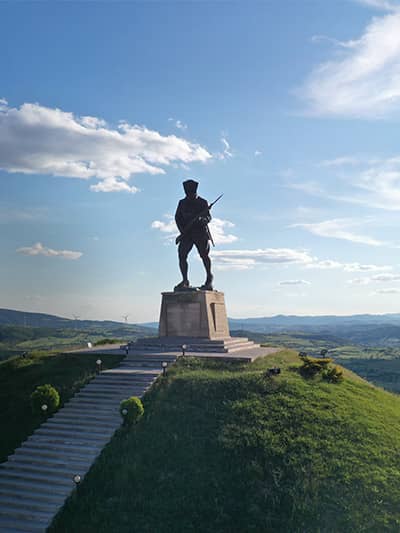
The National Struggle and The Turkish War of Independence The intention and the goal of the national struggle was to provide and to maintain complete independence and unconditional sovereignty. The Nation performed the necessary actions in the context of Misak-ı Milli ( National Oath ) to win its external independence....
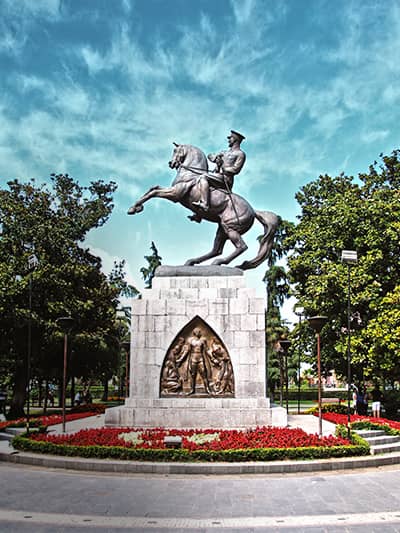
Read MoreThe Visions of Atatürk and Republic of Turkey
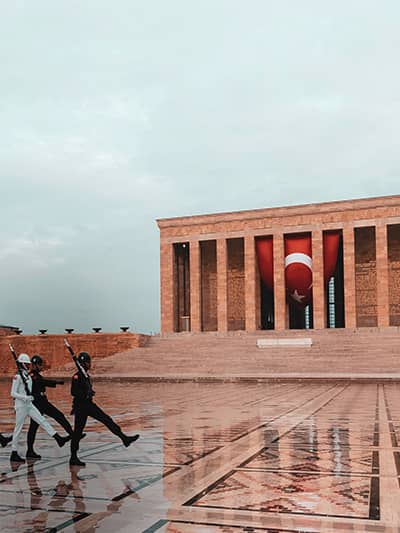
Against this challenge, the Turkish nation engaged in a struggle to restore her territorial integrity and independence, to repulse foreign aggressors, to create a new state, to disassociate Turkey from the crumbling Ottoman dynasty, to eradicate an old and decrepit order and to build a modern country dedicated to political,
Read MoreA Proud Nation
When Ataturk died in 1938, he left a legacy of which the Turkish people today are proud. A nation that had regained confidence in itself after the independence war; a society determined to preserve the political, intellectual, cultural and social values he had bequeathed. The Turkish Republic has now been
Read MoreSeljuk and Ottoman Turks
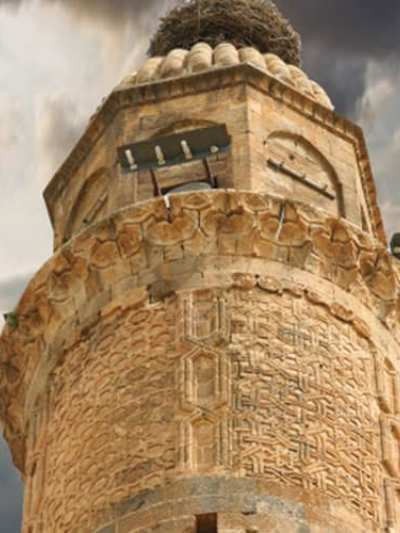
In the 11th century, under their leader Tugrul, the Seljuk Turks founded the dynasty of great Seljuks reigning in Iran, Iraq and Syria. In 1071, his nephew Alp Arslan defeated the Byzantines in Malazgirt, near Lake Van. The doors of Anatolia were thus opened to the Turks, and Anatolia went
Read MoreCollapse of The Seljuk Sultanate
The Seljuk Sultanate collapsed due to internal dissent and Mongol invasions. Anatolia was again fragmented into rival independent principalities, one of which came under Ottoman rule. Anatolia, though divided, had been united by language, religion and race, offering an opportunity for statesmanship and courage. This would be the task of
Read MoreThe Ottoman Empire Gains Ground
In 1296, Osman declared himself the independent Sultan of the region of Söğüt near Bursa he had hitherto held in fief, and founded the Ottoman State. During the rule of his son Orhan, Bursa and Iznik were captured and soon the whole south-eastern coast of Marmara was under Ottoman control.
Read More