Trabzon
Once the Most Dark Emperors City of Black Sea
Trabzon
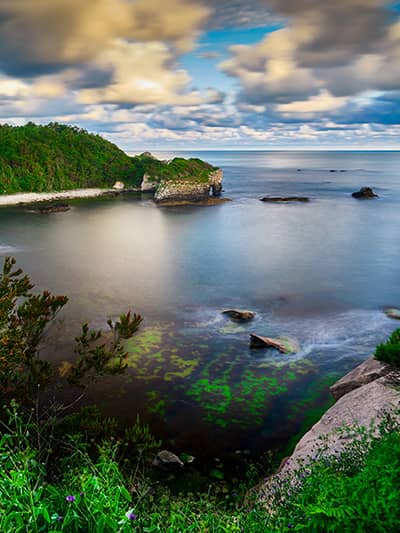
Trabzon is a hub of the Eastern Black Sea Region, with a long history, rich culture and great natural beauty. While Trabzon bears the marks of past civilisations, its earliest history remains mysterious. Archaeological excavations have revealed traces of human habitation during the Chalcolithic and Bronze Ages.
In light of these finds, we can say that the earliest known settlement was a trading colony of Miletus that came into existence around 670 BC. The name of the city is first mentioned as “Trapezus” in the book of Xenophon entitled Anabasis.
An important Silk Road connection between Europe and Asia, Trabzon has hosted many civilisations throughout its history. The Cimmerians, Medes, Persians and Macedonians were among the earlier rulers of the port city. After the death of Macedonian King Alexander the Great, Mithridates I Ctistes, a descendant of the Persian nobility, founded the Kingdom of Pontus, in 312 BC. The city was part of the Eastern Empire after the split of Rome, controlled by the Byzantine Empire and later the Komnenos Dynasty. The Komnenoi began to rule Trabzon at the dawn of the 13th century, and lasted more than 250 years until 1461, when the Ottoman Sultan Mehmet II, the Conqueror, conquered the city.
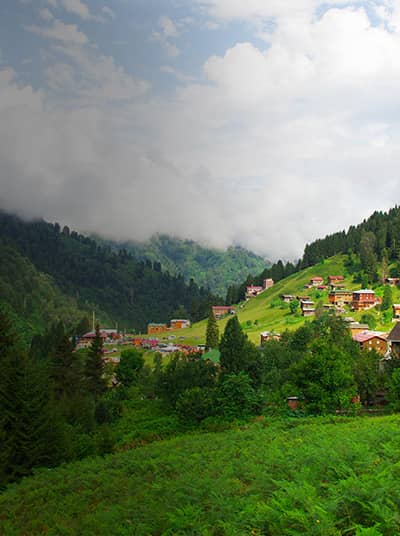
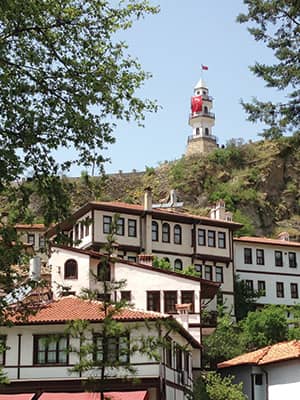
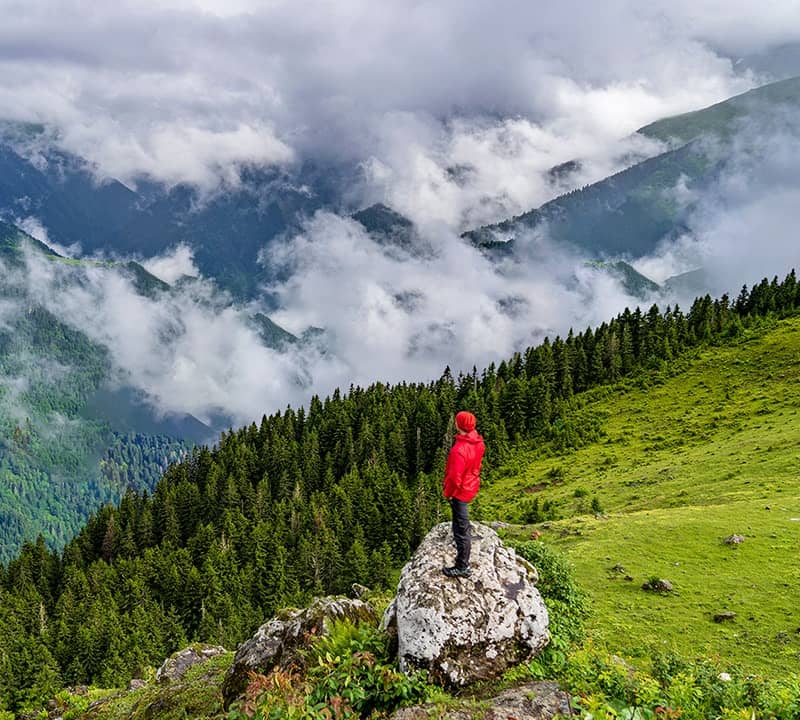
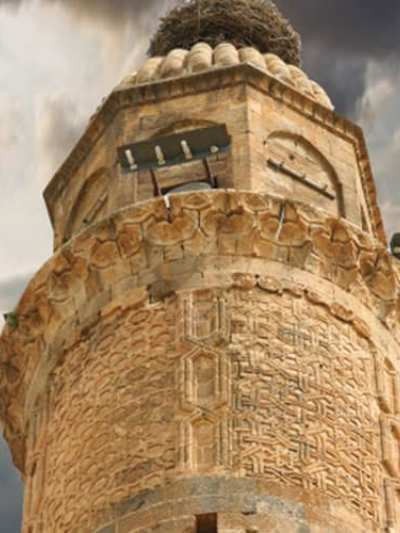
Trabzon has been an inspiration for world-renowned travellers such as Xenophon, Evliya Çelebi, Fallmerayer and Frunze, who visited the city and immortalized it in travel books and manuscripts. Today, the city is also an important centre of commerce and culture, replete with its museums, monasteries, mosques, tombs, caravanserais, bathhouses, covered bazaar, city walls and magnificent examples of civic architecture, markets, a fantastic landscape, and mystical nature.
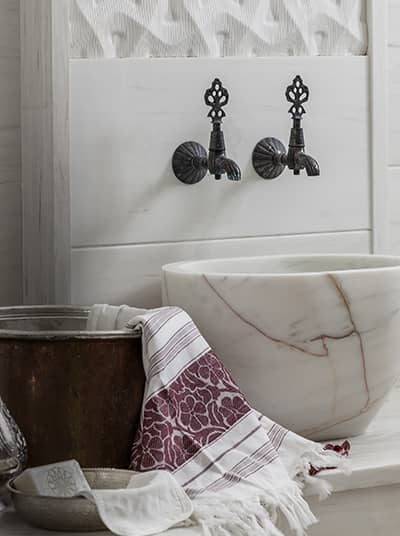
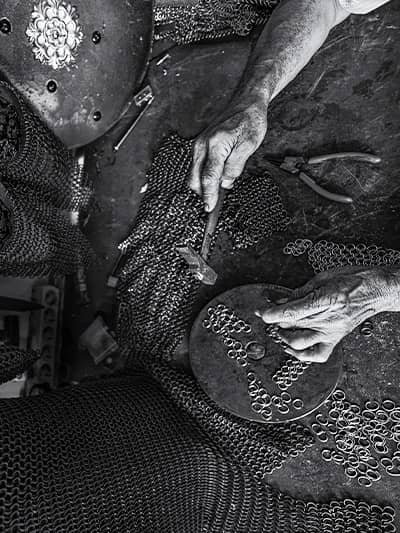
The people of Trabzon preserve the traditional handcrafts, such as stone-carving and wood-carving, weaving, jewellery making, the art of the coppersmith, knife making, and quilting.
Trabzon’s gold and silver jewellery, its typical horon line dance and the local musical instrument kemençe (Byzantine Lyra) have found a worldwide audience.
Read More
Kemençe - Horon
Kemençe The dominant musical instrument of the Eastern Black Sea Region is the kemençe, which comes from the family of bowed string instruments that includes the Byzantine Lyra and Arabic Rebab, the common ancestors of the violin. This traditional folk instrument has three steel strings and it is played with...
Read MoreGeography
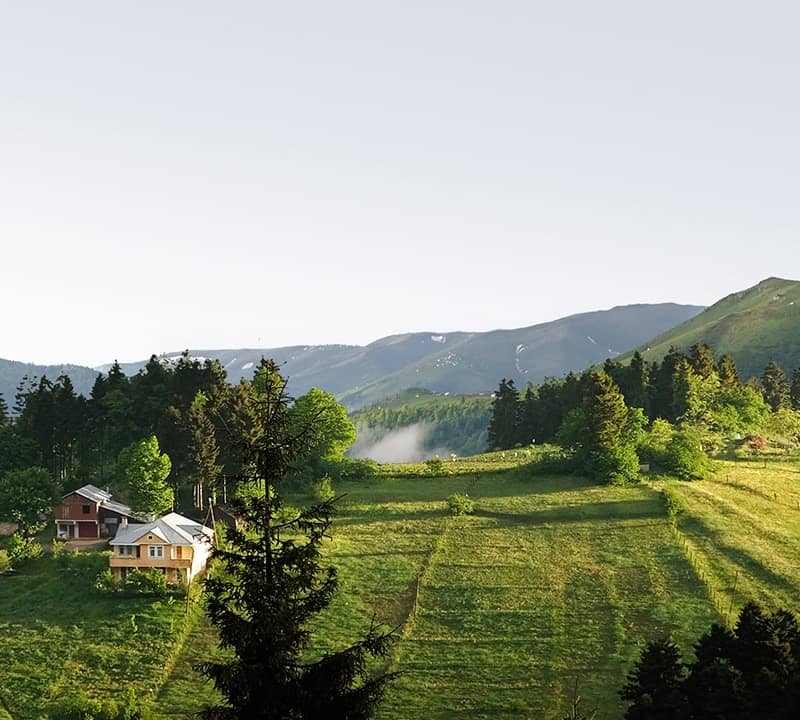
Trabzon is in the Eastern Black Sea Region, at the terminus of transit routes to the Caucasus and Iran. It is on the north shore of the Black Sea, with the provinces of Gümüşhane and Bayburt to the south, Giresun to the west, and Rize to the east. The larger...
Read MoreClimate
Trabzon has a very rich flora, and about 440 endemic plants thrive in the region.The annual average seawater temperature is 16.1°C, and the average for August rises to 27.5°C. In March the temperature can fall to a low of 6.0°C. The region is under the influence of the Black Sea...
Read MoreEconomy
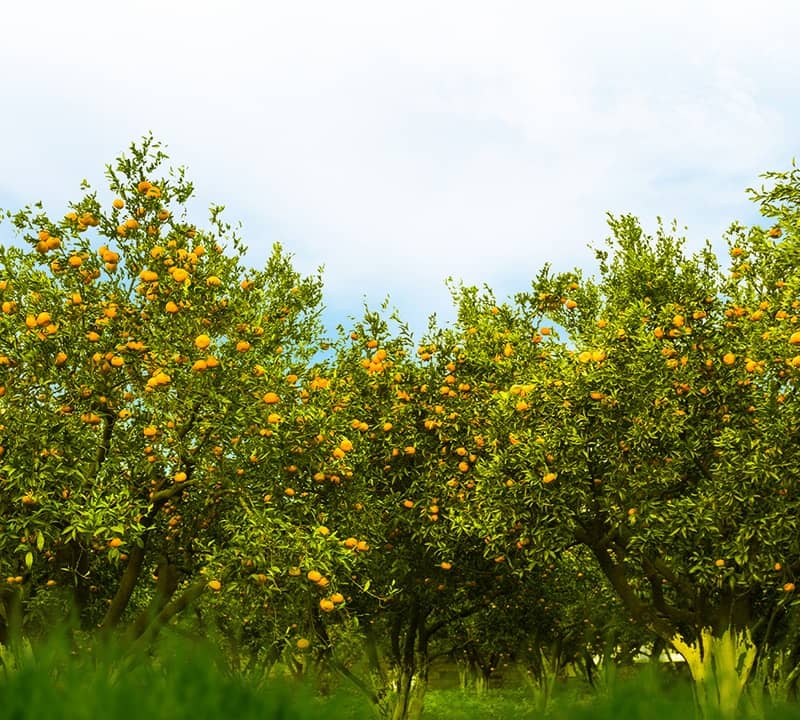
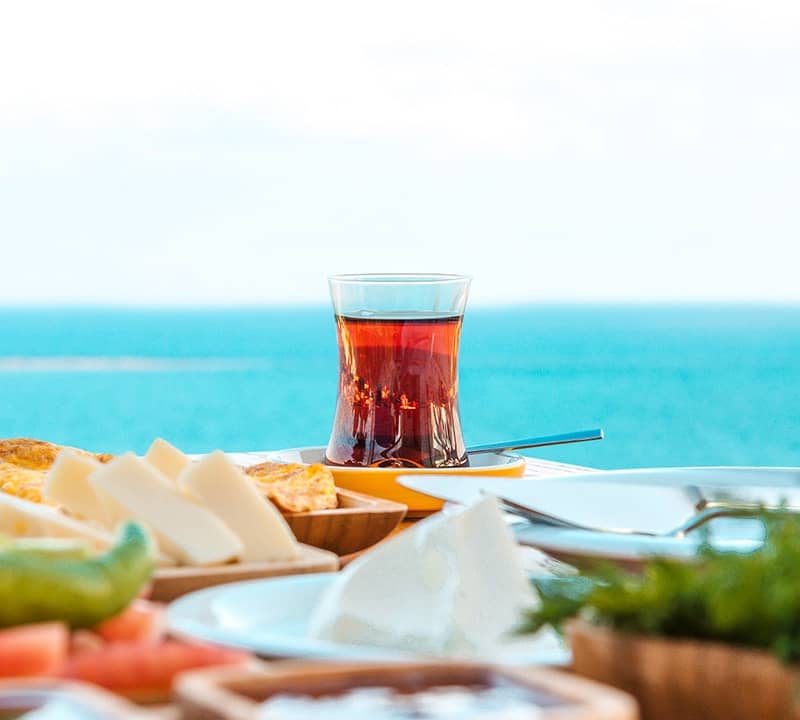
The economy of Trabzon is still largely agricultural. The principal products are tobacco, hazelnuts and tea.Black Sea Polenta (Kuymak), which is prepared with butter, stringy low-fat cheese, and cornmeal, and Black Sea Anchovy (hamsi) are specialities of the local cuisine that incidentally make a great contribution to the local economy....
Read MoreUzungöl Lake
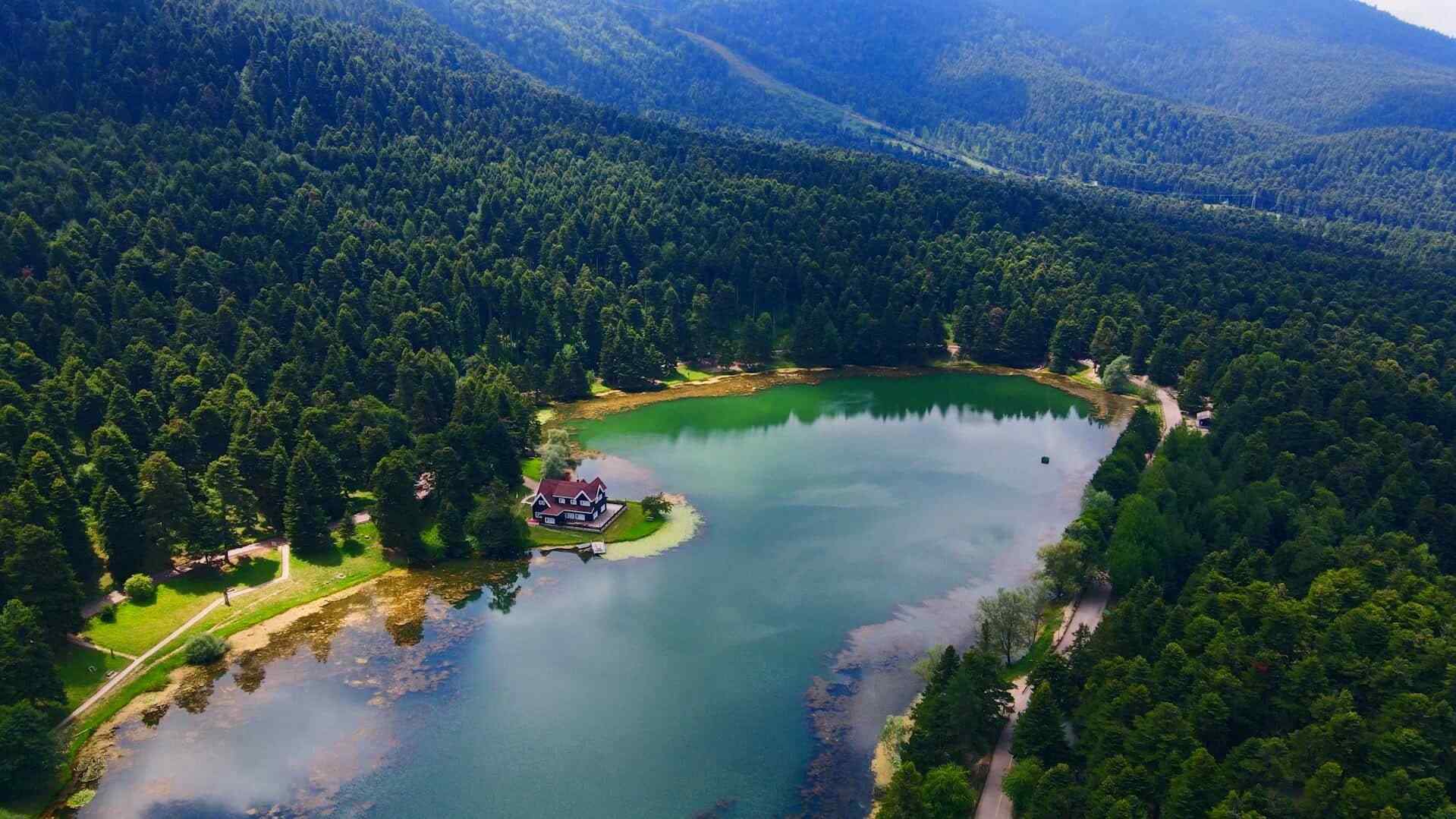
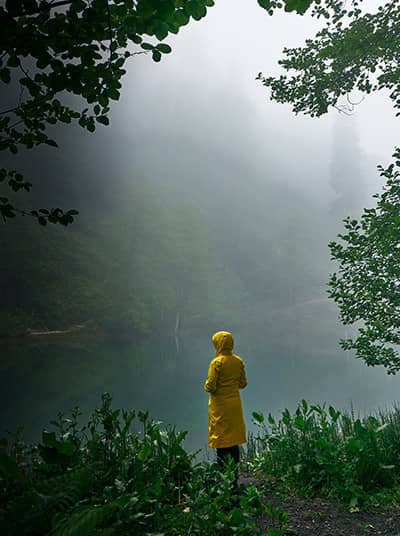
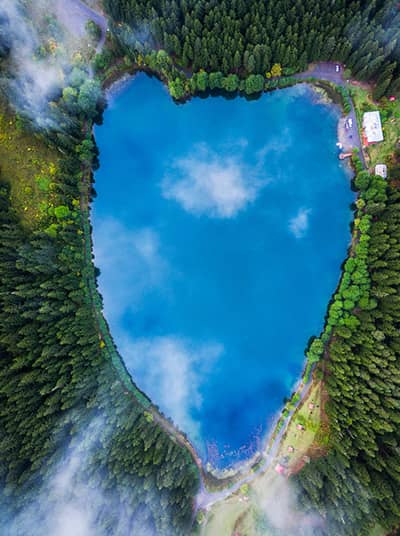
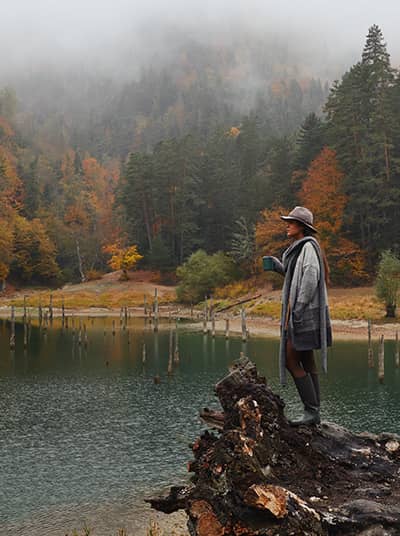
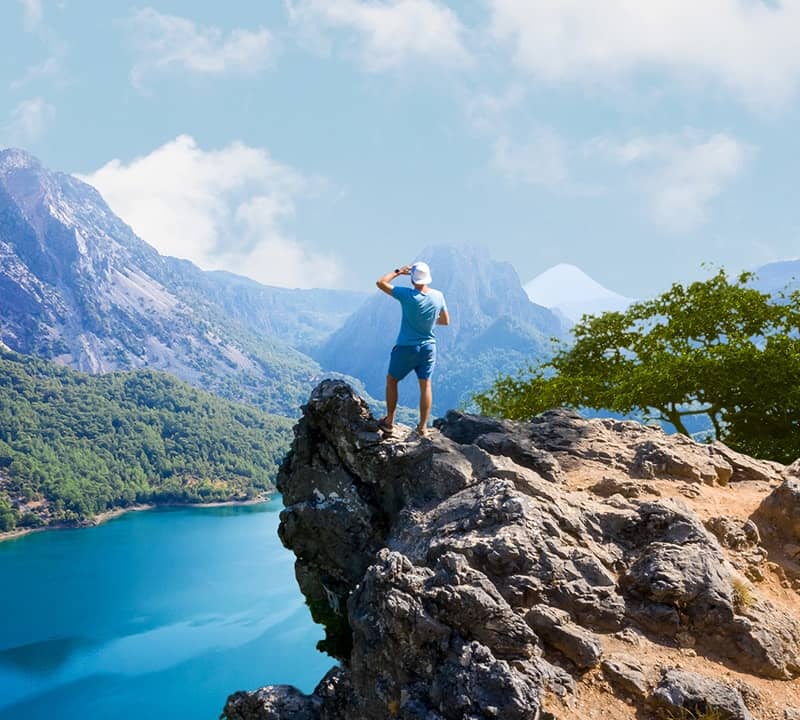
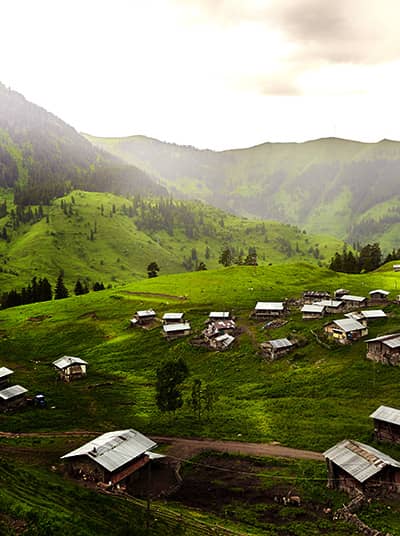
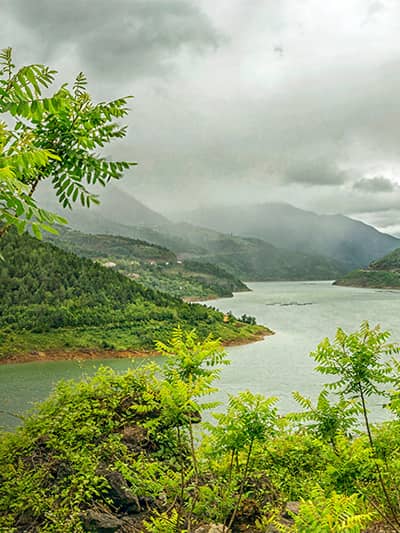
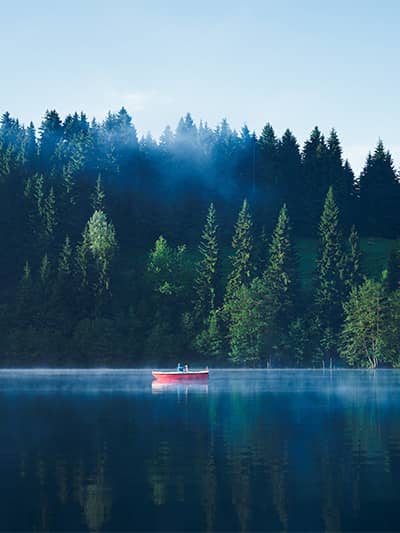
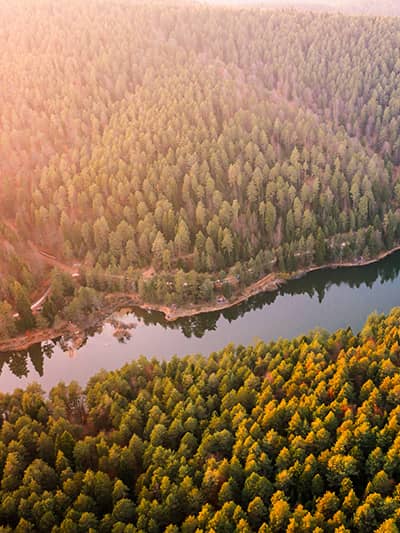
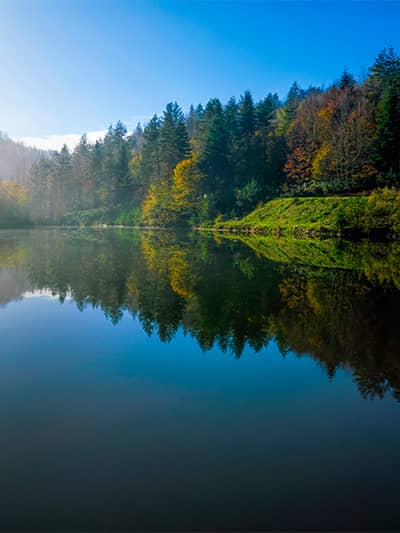
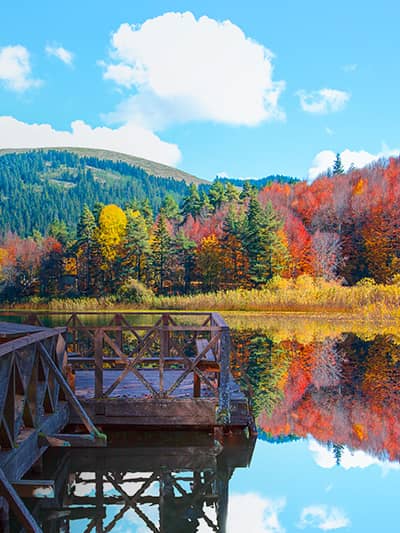
The Uzungöl (Long Lake) is a declared “Special Environmental Protection Zone”. It is 99 kilometres from Trabzon, and 19 kilometres from Çaykara County. The lake was formed when a landslide dammed the Haldizen Stream, flooding the valley. A spruce forest surrounds the lake, set amid a remarkably rich flora and
Read MoreSumela (Virgin Mary) Monastery
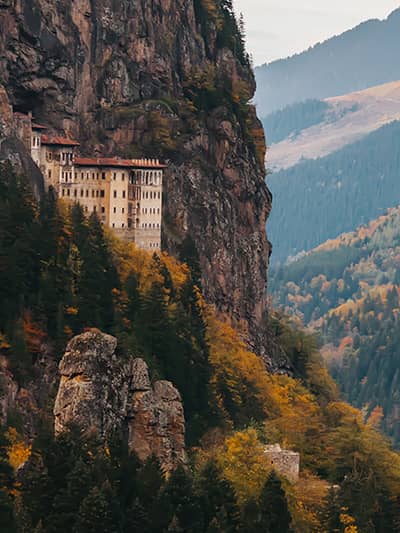
This Greek Orthodox Church and Monastery Complex, Panagia Soumela or Theotokos (Mother of God) Soumela, was built 1,200 metres above the sea level, on Mount Mela, on the western banks of the Panagia (Virgin Mary) Stream. Today the monastery is in Altındere Village, Maçka County of Trabzon Province. The drive
Read MoreRafting
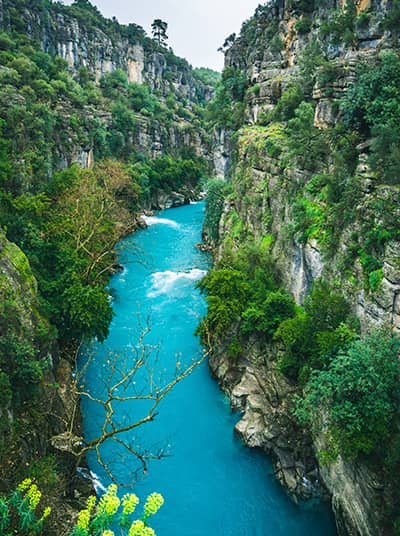
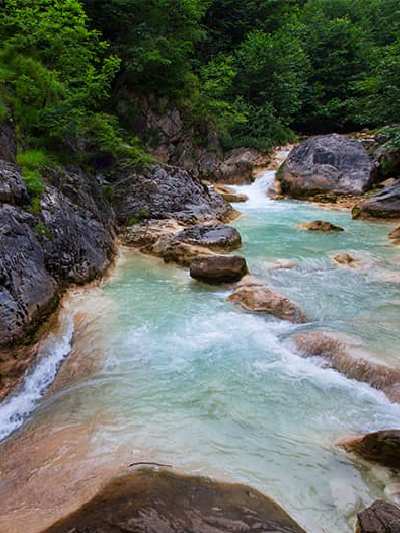
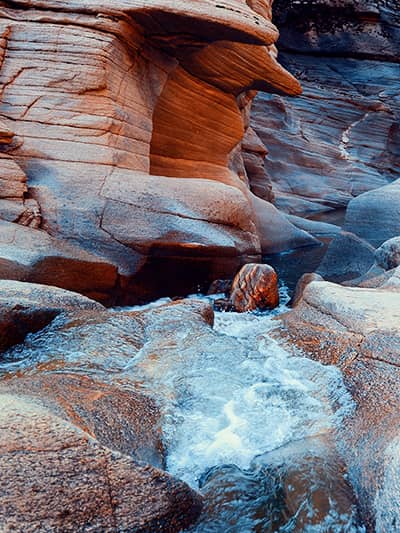
Some streams of Trabzon are suitable for white water sports such as canoeing and rafting. Rafting routes: Araklı-Karadere Tilki Beli Çatak Kayaiçi Taşgeçit Çankaya Erenler Kestanelik Pervane Değirmencik Araklı
Read MoreMountaineering and Trekking
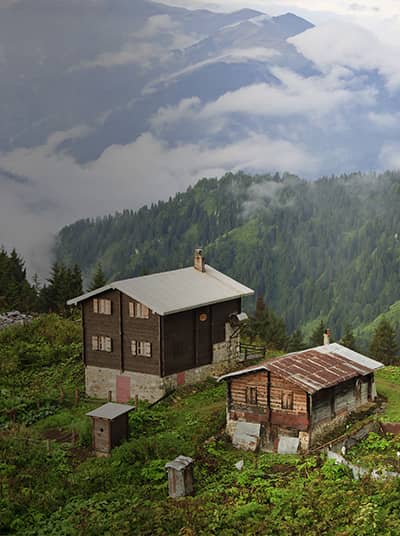
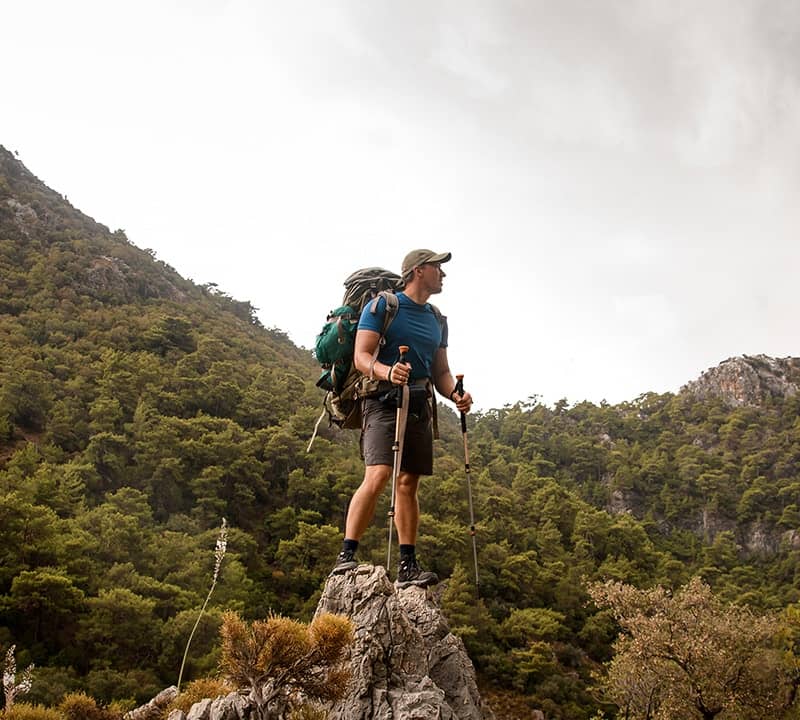
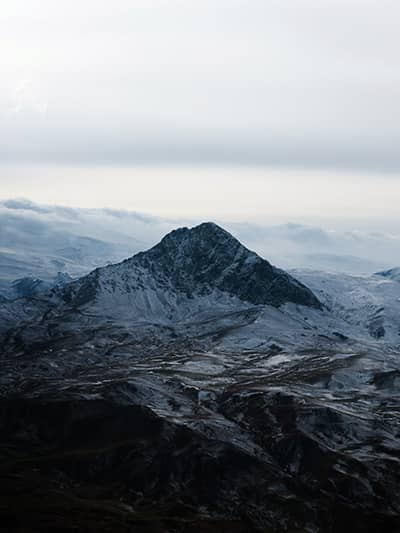
Mountaineering Routes: Uzungöl Lake Demirkapı Karakaya Trekking Routes: Uzungöl - Karastel - Şekersu Uzungöl - Srandağ (Yente)- Çayıroba Altındere National Park- Armutluk- Kırantaş- Coşandere Uzungöl (Starting from Taş Köprü [Stone Bridge] 100 metres south of İnan Facilities) - Maçka- Mount Kulin - Şolma Plateau - Lişer Plateau
Read MoreLocal
Trabzon, Rize, Artvin-Batumi-Tbilisi (Georgia) and the CIS (Commonwealth of Independent States) countries, Trabzon Gümüşhane-Bayburt-Erzurum and Trabzon, Samsun-Ankara and Istanbul, Ordu-Giresun-direction there are three road network.
Read MoreRoad
There are regular services to many from the center of Trabzon in Turkey Bus Terminal. Providing easy access to the city center from the terminal. Some of the distances from the centers below. Erzurum to Trabzon approximately 284 kilometers (km) from the hotel and takes about 10 minutes, about 4
Read More